
How to Start a Gratitude Journal: A Simple Guide for Beginners
Keeping a gratitude journal is a powerful way to nurture positivity and mindfulness in daily life. By regularly writing down things you appreciate, you can shift your focus from challenges to blessings, helping to improve your mood and overall wellbeing. If you’re new to gratitude journaling, this guide will walk you through the basics and make getting started simple and enjoyable.
What Is a Gratitude Journal?
A gratitude journal is a personal notebook or digital document where you record things you feel thankful for. These can be big or small moments, people, experiences, or even simple pleasures. The goal is to create a habit of acknowledging positive aspects of life, which can help foster a more optimistic outlook.
Why Start a Gratitude Journal?
Many studies suggest that practicing gratitude regularly can:
– Reduce stress and increase happiness
– Improve sleep quality
– Enhance relationships by focusing on appreciation
– Boost resilience during difficult times
Even spending just a few minutes each day writing about gratitude can make a meaningful difference.
Choosing Your Journal
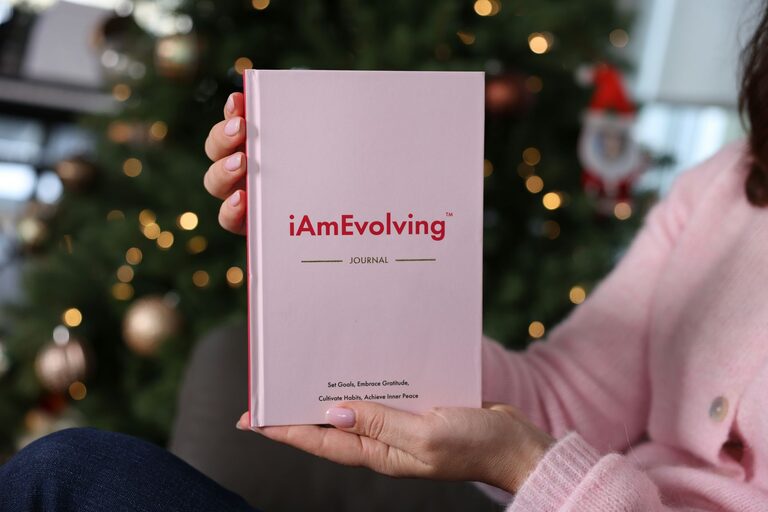
You can use any notebook, planner, or digital app to start your gratitude journal. Here are some options:
– Physical notebook: Choose a journal that feels inviting to you—whether it’s plain, decorative, or themed.
– Digital document: An app like Evernote, Google Docs, or a dedicated journaling app can keep entries organized and accessible.
– Printable templates: Some websites offer free gratitude journal pages you can print and fill in.
Pick the format that you feel most comfortable with—it’s important that the journal fits seamlessly into your routine.
How to Start Your Gratitude Journal
Step 1: Set Aside a Time
Decide on a regular time to write in your journal. Many people prefer:
– First thing in the morning to start the day positively
– Before bed to reflect on the day’s good moments
Consistency helps turn journaling into a lasting habit.
Step 2: Keep It Simple
You don’t need to write long paragraphs. Start with lists or brief sentences. For example:
– “I’m grateful for my morning coffee.”
– “I appreciated the kind words from a friend today.”
– “The fresh air during my walk was refreshing.”
The key is to be sincere and specific.
Step 3: Focus on Variety
Try not to repeat the same items every day. Challenge yourself to notice new things, such as:
– A lovely sunset
– A good conversation
– A personal achievement
– Something you learned
This variety enhances your awareness and helps you appreciate different parts of life.
Step 4: Use Prompts if Needed
If you feel stuck, prompts can inspire you. Examples include:
– What made me smile today?
– Who in my life am I thankful for right now?
– What is one thing I often take for granted?
– What is something beautiful I saw today?
Step 5: Reflect Occasionally
Every few weeks, reread your entries. Reflecting on past gratitude can reinforce positive feelings and remind you of meaningful experiences.
Additional Tips for Success
– Keep your journal visible: Place your notebook on your bedside table or set a reminder on your phone.
– Make it enjoyable: Use colorful pens, stickers, or drawings to personalize your journal.
– Don’t stress about perfection: It’s normal to have days when it’s harder to find things to write. Keep it simple and kind to yourself.
– Combine habits: Pair gratitude journaling with meditation, deep breathing, or a cup of tea to create a calming ritual.
Common Questions About Gratitude Journaling
How long should my entries be?
Even a few words to a sentence or two can be effective. The important part is consistency.
Can I share my gratitude journal?
It’s a personal practice, but some people enjoy sharing entries with friends or loved ones to spread positivity.
What if I’m feeling negative?
It’s okay to acknowledge tough feelings. Gratitude journaling doesn’t require ignoring challenges, just balancing your perspective by also recognizing positives.
—
Starting a gratitude journal is a simple, low-cost way to boost your happiness and mindfulness. By setting aside a few minutes each day to reflect on what you appreciate, you can build a more positive outlook that benefits your mental health and relationships. Whether you use a fancy notebook or a note app on your phone, the most important step is to begin. Happy journaling!
