
How to Set Realistic Weekly Goals for Better Productivity
Setting realistic weekly goals is a key step toward improving productivity, maintaining motivation, and making steady progress in both personal and professional life. When goals are too ambitious or vague, they can quickly lead to frustration and burnout. On the other hand, clear and attainable goals can help you stay focused and feel accomplished each week.
In this post, we’ll explore practical tips on how to set weekly goals that are realistic, manageable, and aligned with your priorities.
Why Setting Realistic Weekly Goals Matters
Weekly goals serve as a bridge between your larger long-term objectives and your daily actions. They keep you on track without overwhelming you with too much at once.
When your weekly goals are realistic, you:
– Avoid procrastination caused by daunting tasks.
– Build momentum by achieving regular, small wins.
– Better manage your time and energy.
– Reduce stress and maintain motivation.
Steps to Set Realistic Weekly Goals
1. Reflect on Your Bigger Picture
Before you decide what to accomplish in the next week, take a moment to think about your monthly or yearly goals. What progress do you want to make toward them? Your weekly goals should connect directly to these broader aims, helping you break them down into manageable chunks.
2. Prioritize Your Tasks
Not all goals have equal importance. List all the potential tasks or projects you want to tackle and then rank them by priority. Focus on the ones that will have the greatest impact.
3. Be Specific and Clear
Vague goals like “exercise more” or “work on the project” are harder to achieve because it’s unclear when you have succeeded. Replace them with specific, measurable goals. For example:
– “Exercise for 30 minutes on Monday, Wednesday, and Friday.”
– “Complete the first draft of the project report by Thursday.”
4. Limit the Number of Goals
Trying to do too much in one week can be counterproductive. Aim for about 3 to 5 meaningful goals per week. This keeps your focus sharp and prevents you from feeling overwhelmed.
5. Estimate Time and Resources
Consider how much time you realistically have available during the week and how much effort each goal will require. Don’t forget to include breaks, unexpected interruptions, and other commitments.
6. Write Down Your Goals
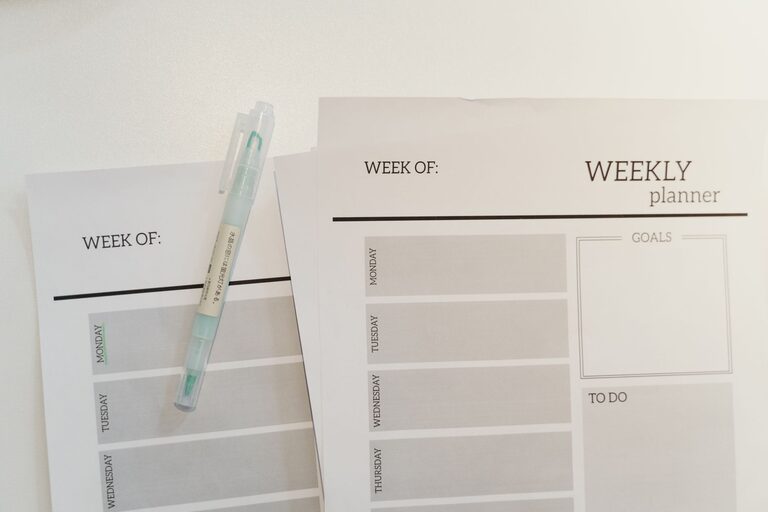
Writing your goals on paper or in a digital planner makes them more concrete. It also allows you to review and adjust them as needed.
7. Plan Your Week
Break down each goal into smaller tasks and schedule them throughout the week. Allocate specific time blocks for each task to stay organized and committed.
Tips to Stay on Track
Review Your Progress Regularly
At the end of each day or every couple of days, check how you’re doing. Are you on track? Are some goals taking longer than expected? Adjust your plan if necessary.
Celebrate Achievements
Recognizing your accomplishments, no matter how small, boosts your motivation to keep going.
Be Flexible
Life can be unpredictable. If you couldn’t complete a goal this week, reassess and move it to next week rather than getting discouraged.
Use Tools and Apps
Calendars, to-do lists, and productivity apps can help you keep track of your goals and deadlines.
Examples of Realistic Weekly Goals
– Complete three chapters of an online course by Friday.
– Declutter and organize one room in the house over the weekend.
– Write and send out five networking emails by Wednesday.
– Run or walk for 20 minutes at least four times during the week.
– Plan meals and grocery shop by Tuesday evening.
Common Mistakes to Avoid
– Setting too many goals and spreading yourself thin.
– Being too vague or general with your goals.
– Ignoring your actual schedule and time availability.
– Not adjusting goals when circumstances change.
– Forgetting to celebrate progress.
Final Thoughts
Setting realistic weekly goals is about finding the right balance between ambition and practicality. By reflecting on your priorities, being specific, and planning your time effectively, you can create achievable goals that keep you motivated and productive. Remember, the goal-setting process is flexible — it’s perfectly okay to adjust your targets as you learn what works best for you.
Start small, stay consistent, and watch your weekly goals bring you closer to your bigger dreams.
