
How to Plan Meals Using Pantry Staples for Easy, Delicious Dinners
When it comes to meal planning, the pantry is often an underestimated resource. A well-stocked pantry can be a lifesaver for busy weeknights, unexpected guests, or when you just don’t feel like heading to the grocery store. Learning how to plan meals from pantry staples helps you save money, reduce food waste, and create nourishing dishes with what you already have.
In this post, we’ll explore practical tips for planning meals using pantry staples, share ideas for common ingredients, and provide guidance on organizing your pantry to make cooking easier and more enjoyable.
Why Use Pantry Staples for Meal Planning?
Pantry staples include non-perishable items such as canned goods, grains, dried herbs and spices, flour, oils, and more. These items have a long shelf life and form the foundation for a variety of meals. Using pantry staples means:
– You’re less dependent on frequent grocery trips.
– You can whip up meals quickly and with minimal prep.
– You make the most of ingredients before they spoil.
– You can experiment with different cuisines and flavors.
Step 1: Take Inventory of Your Pantry
Before planning any meals, it’s important to know exactly what you have. Here’s how to start:
– Clear and clean your pantry shelves to give yourself a fresh view.
– Group similar items together (canned beans, pasta, rice, sauces).
– Check expiration dates and discard anything expired.
– Make a simple list or spreadsheet of staples you regularly use.
Having a clear inventory helps you avoid buying duplicates and inspires recipe ideas based on what’s available.
Step 2: Identify Core Pantry Staples
Certain ingredients are the backbone of many pantry-based meals. Consider keeping these on hand:
– Grains: Rice, pasta, quinoa, couscous, oats
– Legumes: Canned or dried beans, lentils, chickpeas
– Canned goods: Tomatoes, corn, tuna, coconut milk
– Baking essentials: Flour, baking powder, yeast, sugar
– Oils and vinegars: Olive oil, vegetable oil, apple cider vinegar
– Herbs and spices: Salt, pepper, garlic powder, chili flakes, dried basil, oregano, cumin
– Broths and sauces: Chicken or vegetable broth, soy sauce, hot sauce, mustard
Having a well-rounded pantry like this sets a strong base for a wide variety of recipes.
Step 3: Plan Meals Around Your Staples
Now that you know what you have, think about how to combine ingredients into meals. Here are some foundational ideas that you can customize:
1. Grain Bowls
Start with cooked rice, quinoa, or couscous as your base. Add canned beans or lentils, a drizzle of oil or dressing, and season with herbs and spices. Optional toppings include canned corn, olives, or sautéed vegetables if you have fresh or frozen produce.
2. Pasta Dishes
Pasta is a versatile staple. Use canned tomatoes to create a simple marinara sauce, then add canned tuna or beans for protein. Spice it up with garlic powder, chili flakes, and dried herbs.
3. Soups and Stews
Combine broth with canned beans, lentils, and canned vegetables to make hearty soups. Flavor with cumin, paprika, or Italian seasoning. Soups are easy to prepare and can be stored for later meals.
4. Stir-Fries
Oil, soy sauce, and spices turn cooked rice and canned or fresh vegetables into a quick stir-fry. Add canned or dried beans for extra protein.
5. Flatbreads and Pancakes
Use flour, baking powder, and water or milk from your fridge to make simple flatbreads or pancakes. Top with savory canned goods like beans or sweet spreads like jam.
Step 4: Use Meal Templates
Meal templates make planning faster and more flexible. For example:
– Template 1: Grain + Protein + Vegetable + Sauce
– Template 2: Soup/Stew with Beans + Grain Side
– Template 3: Pasta + Tomato-based Sauce + Cheese or Protein
Using these templates, you can mix and match pantry staples based on preferences, time, or what’s on hand.
Step 5: Keep It Fresh and Balanced
Pantry meals don’t need to be boring or lacking in nutrition. Whenever possible, add fresh or frozen produce to your meals for vitamins and flavor. A simple side salad, steamed frozen veggies, or fresh herbs can brighten a pantry-based meal.
Step 6: Organize Your Pantry for Success
A well-organized pantry helps you find ingredients quickly and encourages creative cooking.
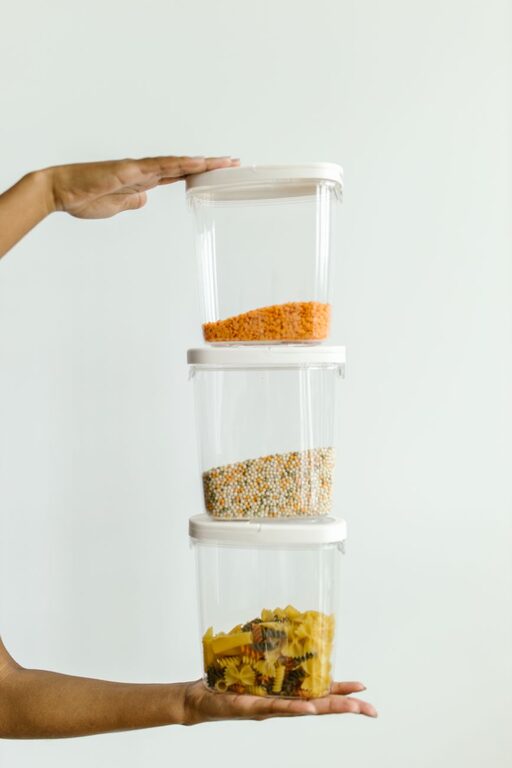
– Store items in clear containers or labeled jars.
– Group ingredients by type or meal use.
– Keep frequently used staples at eye level.
– Rotate stock so older items are used first.
Bonus Tips: How to Avoid Pantry Meal Burnout
– Try recipes from different cuisines to add variety—think Mexican rice and beans, Indian lentil daal, or Italian pasta primavera.
– Experiment with spices and herbs to change flavor profiles.
– Mix fresh and pantry ingredients for new textures and tastes.
– Batch cook and freeze portions of soups or stews for convenient meals.
Conclusion
Planning meals from pantry staples is a smart, budget-friendly way to keep your kitchen running smoothly. With a little organization, some creativity, and a well-stocked pantry, you can create delicious, nutritious meals anytime. Start by taking stock, use simple meal templates, and enjoy the flexibility that comes with pantry-based cooking!
Happy cooking!
